
The Role of Luck in Gambling
Luck plays a pivotal role in the world of gambling, particularly in casinos where games of chance dominate the landscape. Players often enter these establishments with the belief that luck will be on their side, impacting their winnings or losses significantly. This element of chance is what attracts many individuals to casinos; the thrill of not knowing whether a simple roll of the dice or a turn of a card can lead to monumental success creates an irresistible allure. Moreover, exploring options like australia online casino can also enhance the overall gaming experience, proving that luck alone isn’t the only determinant of success in these environments.
While luck can indeed lead to significant wins, especially in games like slots or roulette, the randomness of these games means that outcomes are unpredictable. Statistically, players can experience winning streaks and losing streaks that can shift dramatically from one moment to the next. It’s essential to understand that while luck can influence short-term results, it does not guarantee long-term success. Successful players often combine their lucky streaks with strategies to mitigate losses and maximize potential gains over time, illustrating the delicate balance between chance and skill.
Moreover, the perception of luck can vary greatly among individuals. Some players might believe they are inherently lucky, attributing their wins to personal charm or positive energy, while others may feel perpetually unlucky. This subjective view can influence how much time and money they are willing to invest in gambling activities, ultimately impacting their overall experience in a casino. Understanding the psychological aspects of luck can provide deeper insights into how it influences behavior and decisions in gambling scenarios.
The Psychology of Winning and Losing
The psychology behind winning and losing in casinos reveals much about how luck is perceived. When players experience a series of wins, they often feel euphoric, attributing their success to skill and luck working in tandem. This mindset can lead to overconfidence, prompting players to take greater risks, believing that good fortune will continue to favor them. Conversely, after a losing streak, players may experience frustration and despair, which can alter their approach to gambling. They might chase losses, leading to poor choices and further financial drain.
This psychological cycle underscores the importance of emotional control in gambling. Players who can manage their emotions effectively tend to experience better outcomes in the long run. Recognizing that luck is a variable factor, rather than a constant, allows players to adopt a more disciplined gambling strategy. Understanding that with each game comes a new chance—and that luck is unpredictable—can help mitigate the emotional highs and lows that often accompany gambling.

Additionally, the environment of a casino is designed to enhance feelings of excitement and anticipation, further influencing players’ psychology. Bright lights, exhilarating sounds, and the thrill of watching others win can amplify the perception of luck. It’s crucial for players to recognize these influences and remain grounded in their approach, ensuring that they do not let the atmosphere cloud their judgment. A clear-headed approach combined with an awareness of psychological triggers can enhance the gambling experience while keeping it enjoyable and responsible.
Strategies for Improving Your Odds
While luck is a significant factor in casino games, employing strategic approaches can improve a player’s odds of success. Understanding the rules and odds of each game is vital; this knowledge allows players to make informed decisions rather than relying solely on chance. For instance, in table games like blackjack or poker, players can employ various techniques to minimize house edge and maximize potential returns. Basic strategies, card counting, and understanding probabilities can all serve to enhance one’s gameplay.
Moreover, managing one’s bankroll effectively is another essential strategy. Setting limits on how much to spend and adhering to those limits can prevent impulsive decisions driven by the highs and lows of luck. It’s important to recognize when to walk away—either after a win or a loss—to avoid the pitfalls of gambling addiction. Creating a balance between enjoyment and financial responsibility is crucial for sustainable play in a casino environment.
Additionally, selecting the right games can significantly impact one’s success. Games with a lower house edge generally offer better odds for players. Slot machines, while entertaining, usually come with a higher house advantage compared to table games. Knowledgeable players often gravitate towards games that provide better winning probabilities and lower overall risk. With a blend of strategic gameplay, knowledge, and luck, casino-goers can enhance their chances of leaving a winner, even if fortune doesn’t always smile upon them.
The Impact of Superstitions and Beliefs
Superstitions and beliefs surrounding luck are pervasive in casino culture, influencing player behavior and choices. Many players have their own routines or rituals they believe bring them good fortune, whether it’s wearing lucky clothing or choosing specific machines to play. These practices highlight the psychological component of luck, where personal beliefs can significantly affect one’s confidence and enjoyment of the game. While these rituals may not change the fundamental odds of the games, they can create a sense of connection to the outcomes.
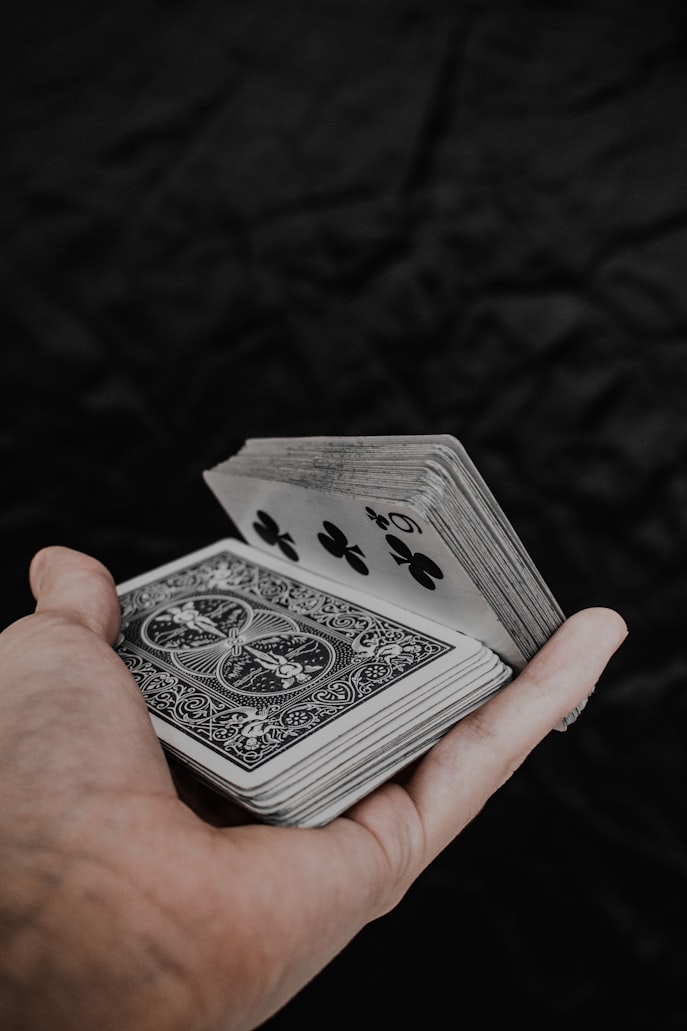
Furthermore, many players subscribe to popular gambling myths, such as certain numbers being ‘luckier’ than others or believing that a machine is ‘due’ for a win. These beliefs can lead to irrational decision-making and potentially increase the risk of loss. Understanding that luck is a random variable—not governed by previous outcomes—can help players approach their gambling with a more rational mindset. Ultimately, while superstitions can enhance the experience and serve as a source of comfort, they should not replace informed decision-making.
The cultural significance of luck and chance in gambling is also reflected in the various communities that form around these beliefs. Players often share stories of their lucky experiences or strategies that worked for them, reinforcing the idea that luck can be cultivated. It’s essential to recognize that while luck might play a significant role in individual experiences, it remains an unpredictable element of gambling, and players should enjoy the journey rather than solely focusing on outcomes.
Exploring Our Website for More Insights
For those intrigued by the dynamics of luck and strategy in casinos, our website offers a wealth of resources that delve deeper into this fascinating subject. From in-depth articles to expert tips on responsible gambling, we strive to provide information that enhances your understanding of the casino experience. Our content is crafted to cater to both novice players and seasoned gamblers, ensuring everyone finds valuable insights tailored to their needs.
Moreover, we regularly update our blogs and guides to include current trends, strategies, and narratives from the gambling world. Whether you’re looking to refine your skills, learn about new games, or understand the impact of luck, our website serves as a comprehensive hub for all things related to casino gaming. We encourage visitors to explore our articles and engage with our community for shared experiences and tips that can enrich your journey in the world of gambling.
Ultimately, our goal is to empower players to make informed decisions while enjoying the thrill of the casino environment. By blending luck with strategy and knowledge, you can approach your time in casinos with confidence, creating a balanced and rewarding experience. Dive into our content to learn more and enhance your understanding of how luck plays a role in your gambling success.
