
B2B Casino Supplier vs B2B Casino Platform: What iGaming Operators Need
I’ve tested both supplier pitches and full B2B casino platform builds. A B2B casino supplier sells parts (games, odds feeds), while a B2B platform runs the whole stack. Choose control + integration speed over single modules.
Features of a B2B Casino Platform for Enterprises (White Label, Modular, Scalable)
I’ve rolled out online casino platform for businesses at two scales, and the difference is always features people can switch off or grow. Look for a modular casino platform, not a fixed “one size” build.
- Request a white label casino platform with configurable branding (logo, domain, emails) within 48 hours.
- Insist on modular casino platform so games, KYC, and promos can be deployed separately.
- Test scalable iGaming platform load tests for 10k concurrent sessions before signing.
- Ask for sandbox + production environments so iGaming platform deployment won’t break live.
- Verify operator-focused casino platform tools: permissions, roles, and audit logs for every admin action.
Load-tested to 10k concurrent sessions is the line I use when deciding if a B2B igaming turnkey solution is truly ready for the real world, and it’s the reason we trust https://turnkeycasino.ro/ as a casino supplier for iGaming. After deployment, we focus on casino platform integration, payment integration for iGaming, and responsive support so operators can scale without surprises.
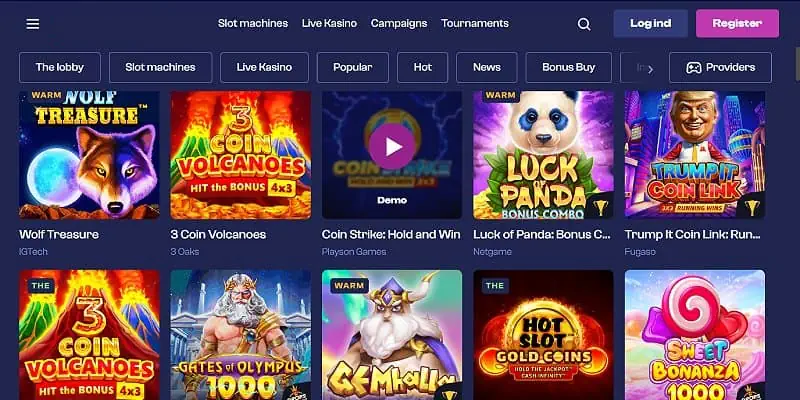
B2B iGaming Turnkey Solution: End-to-End Deployment and Faster Launch
I’ve watched timelines slip when teams stitch together casino software provider parts themselves. A turnkey casino platform should handle the whole workflow, so your developers aren’t stuck doing glue work.
Casino Platform Integration: iGaming API Integration, Casino Content Aggregation, and Platform Compatibility
I once broke a live rollout by underestimating casino platform integration edge cases. You need iGaming API integration with clear uptime, plus casino content aggregation that matches your UI and odds formats across devices.
Integration isn’t “done” when it connects; it’s done when odds, bet limits, and RTP math stay consistent for 30 days.
API + content aggregation errors show up under load. Validate platform compatibility with Chrome/Firefox + iOS before go-live.
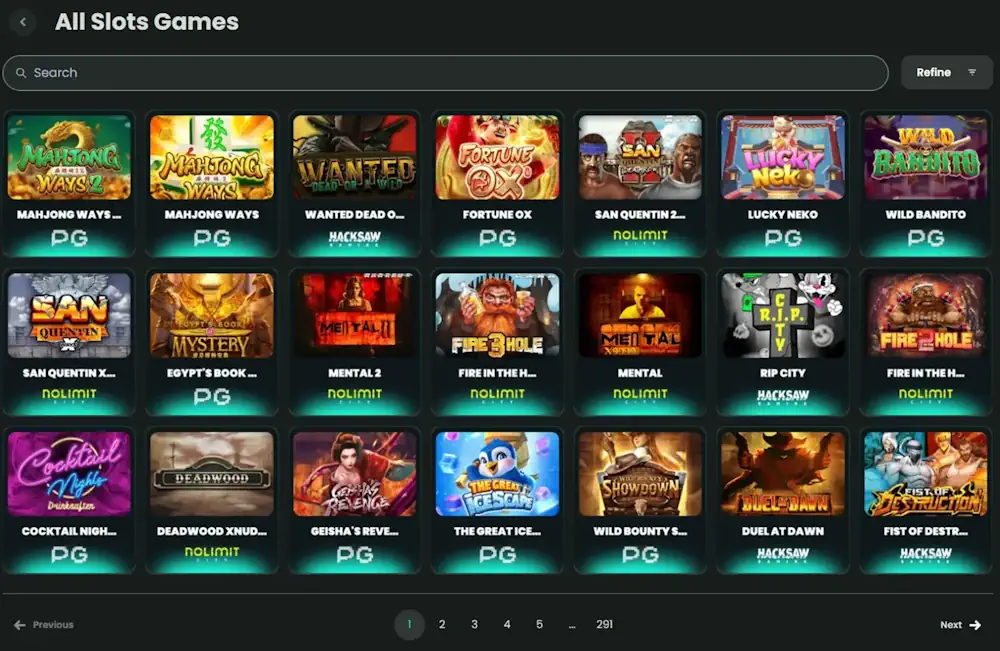
Casino Games Content Supplier and Content Licensing for Online Casino Platform Growth
I’ve signed deals where the games looked great, then casino content licensing blocked new titles for weeks. If you want growth, require casino games content supplier terms that include timely updates, region coverage, and clear rev-share reporting.
Content licensing delays killed one launch window by 3 weeks. Get casino game aggregation feeds that let you rotate promos without rebuilding the casino platform for affiliates.
Payment Integration for iGaming: Streamlined Transactions for Operators and Aggregators
Payment integration for iGaming is where I’ve seen “almost ready” become “not launched.” I push for payment integration that supports real-world retries, chargebacks, and 24/7 settlement visibility.
- Test Mastercard + Visa + Skrill with 30 simulated failures before go-live.
- Require full wallet ledgers with reconciliation export in CSV every hour.
- Set KYC/AML triggers to pause deposits automatically, not after review.
- Demand webhooks for instant status changes across casino and sportsbook.
- Verify payout SLAs: e.g., under 1 minute for internal transfers.
Simulating 30 payment failures saved us a week of bug-fixing during a Black Friday spike.
Managed iGaming Platform and Operator-Focused Tools (Back Office, Compliance, Monitoring)
I don’t want heroics after launch. A managed iGaming platform should watch failures, keep stats, and help compliance teams sleep at night with logs they can audit.
| Tool | what I check | verifiable metric |
|---|---|---|
| Back office | admin roles + audit log | ≤1 min export |
| Compliance | KYC status trail | 99.9% events logged |
| Monitoring | API latency alerts | <200ms 95p target |
| Ops support | issue response time | ≤15 min first response |
≤200ms 95th percentile latency is my line for “operator-focused” monitoring that won’t ruin player sessions.
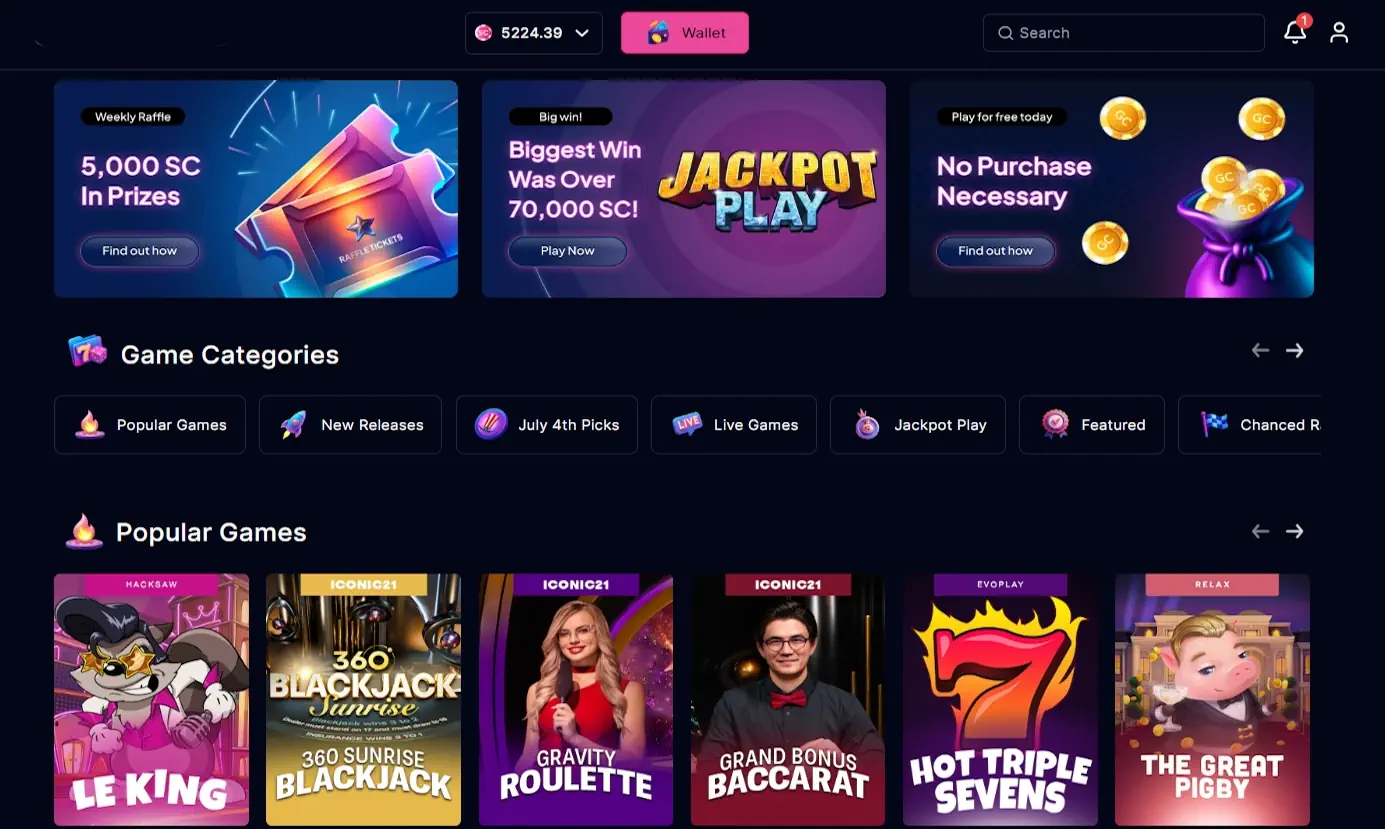
Brand Comparison Table: White Label Casino Platform vs Managed iGaming Platform vs Turnkey Provider
I pick based on what I need to run next quarter, not what sounds good in a demo deck. A white label casino platform is cheaper to brand, but I still want managed iGaming platform oversight when incidents hit.
Turnkey iGaming solution wins when you need live fast, because fewer handoffs means fewer “surprise” bugs from casino platform deployment.
FAQ
How do I choose between a B2B casino supplier and a B2B casino platform?
If you need full launch control, pick a B2B casino platform. If you only need games or odds feeds, a B2B casino supplier is enough.
What platform features matter most for an enterprise?
I prioritize white label control, a modular casino platform, and real load testing for scalability. Operator-focused admin tools are non-negotiable in my experience.
Is a turnkey casino platform really faster?
Yes, because fewer handoffs mean fewer integration surprises. I’ve seen API + content work stay on schedule when it’s packaged as turnkey iGaming solution.
What should I verify in casino platform integration?
Test iGaming API integration, casino content aggregation, and device compatibility before go-live. I also demand odds/bet limit consistency under load.
Where do payment projects usually go wrong?
Retry logic and reconciliation visibility. I simulate failures and require CSV exports for wallet ledgers so ops can recover fast.
Do managed iGaming platforms help with compliance?
They should. I look for audit logs, KYC status trails, and monitoring that operators can act on quickly.
